:focal(1072x745:1073x746):quality(85))
A unique birth at the Safaripark
Meet Banji, the newborn black rhinoceros calf
The Safaripark is delighted with the birth of Banji, a black rhinoceros. This species is threatened with extinction in the wild. This birth is therefore wonderful news for the protection and conservation of the black rhinoceros.
:quality(90))
Unique both in the park and in the wild
This upcoming birth will make a significant contribution to the conservation of this species. Only two to three Eastern black rhinos are born in Europe each year. This calf will in fact be only the fourth ever born in the Netherlands!
However, this event is not only special for the Safaripark. In the wild, there are now only 7,000 black rhinos remaining, of which the eastern black rhino is a subspecies. Of this subspecies, 1,200 now live in the wild, 80% of which are in Kenya. That is why we are committed to working in Kenya to protect these impressive animals.
:quality(85))
Kenya Rhino Range Expansion
In light of this unique event, we would like to do more for black rhinos in the wild. We have chosen a project called ‘Kenya Rhino Range Expansion’, which is supported by Save the Rhino, among others. This project is dedicated to expanding and connecting habitats for the eastern black rhino in Kenya. With the support of our visitors and the commitment of Stichting Wildlife and Beekse Bergen, we hope to make a significant contribution to this powerful initiative.
About Kenya Rhino Range Expansion
:quality(90))
Expansion of the Habitat in Kenya
Thanks to conservation efforts, the population of Eastern black rhinocerosis fortunately on the rise. From just 400 in 1990, there are now more than 1,000 living in Kenya. Here, the rhinos are protected from poaching and habitat loss in fenced reserves.
Due to the increase in the rhino population, it is time to expand their habitat. If too many rhinos live in a single area, the risk of territorial conflicts increases and genetic diversity is threatened. This is because births always occur within the same group. That is why we support Kenya Rhino Range Expansion in making the El Karama nature reserve “rhino-ready.” This nature reserve connects two existing habitats. As a result, rhinos will soon be able to move across a vast area. El Karama is currently home to more than 500 animal species, including the African lion, reticulated giraffe, African savanna elephant, and cheetah.
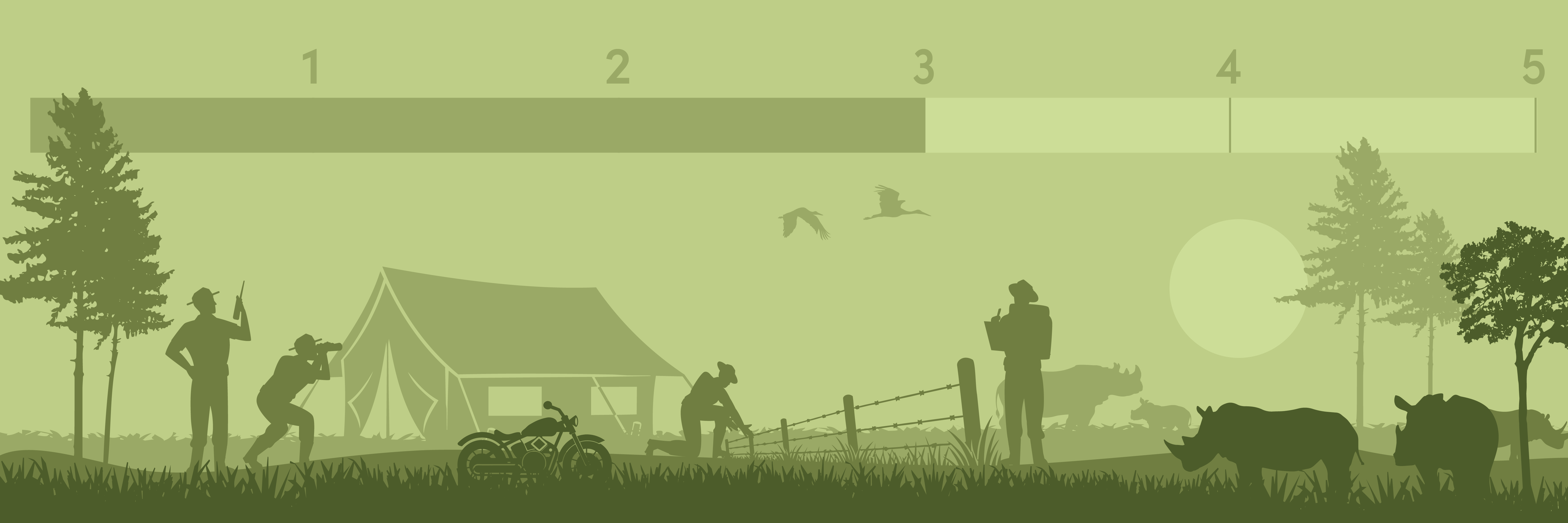
What goals do we want to achieve?
:focal(2556x1038:2557x1039):quality(85))
Become an adoptive parent
By symbolically adopting the baby rhino, you’ll be making a direct contribution to this wonderful project. As an adoptive parent, you’ll enjoy exclusive benefits.
:quality(85))
Rhino River
Accompanied by a ranger, binoculars, and a trail map, you’ll set out on a journey of discovery. Spot Banji from the water while learning all about this unique species.
:quality(85))
Rhino Road Ranger Walk
Set off with a ranger! On your way to Banji, you’ll learn all about rhinos, their conservation in the wild and how you can help.
:focal(11x950:12x951):quality(85))
Brew@TheZoo 2026
€1 from every Brew@TheZoo ticket is donated. Guests could also make additional contributions during the event by donating coins.
:quality(85))
Miko coffee
At Beekse Bergen, you can enjoy Puro Fairtrade coffee from Miko. Through its annual support of Stichting Wildlife , Miko contributes to important conservation projects. This year, they are the main sponsor of the Kenya Rhino Range Expansion.
:quality(85))
Visit De Kraal
At De Kraal, volunteers from Stichting Wildlife are selling special bracelets, the proceeds of which go directly towards the Kenya Rhino Range Expansion project.
:quality(85))
Stichting Wildlife
Our volunteers would be delighted to tell you more about this special birth at the rhino enclosure! They also sell lovely soft toys and bracelets here.
:quality(85))
Donation of your choice
At the rhino enclosure, you can donate any amount you wish at the donation box. This money goes directly to the Kenya Rhino Range Expansion project.
:quality(85))